
Devon Patterson · 13 October 2026
The Connection Between Schema Markup Implementation and Enhanced Search Result Features for Independent Content Sites
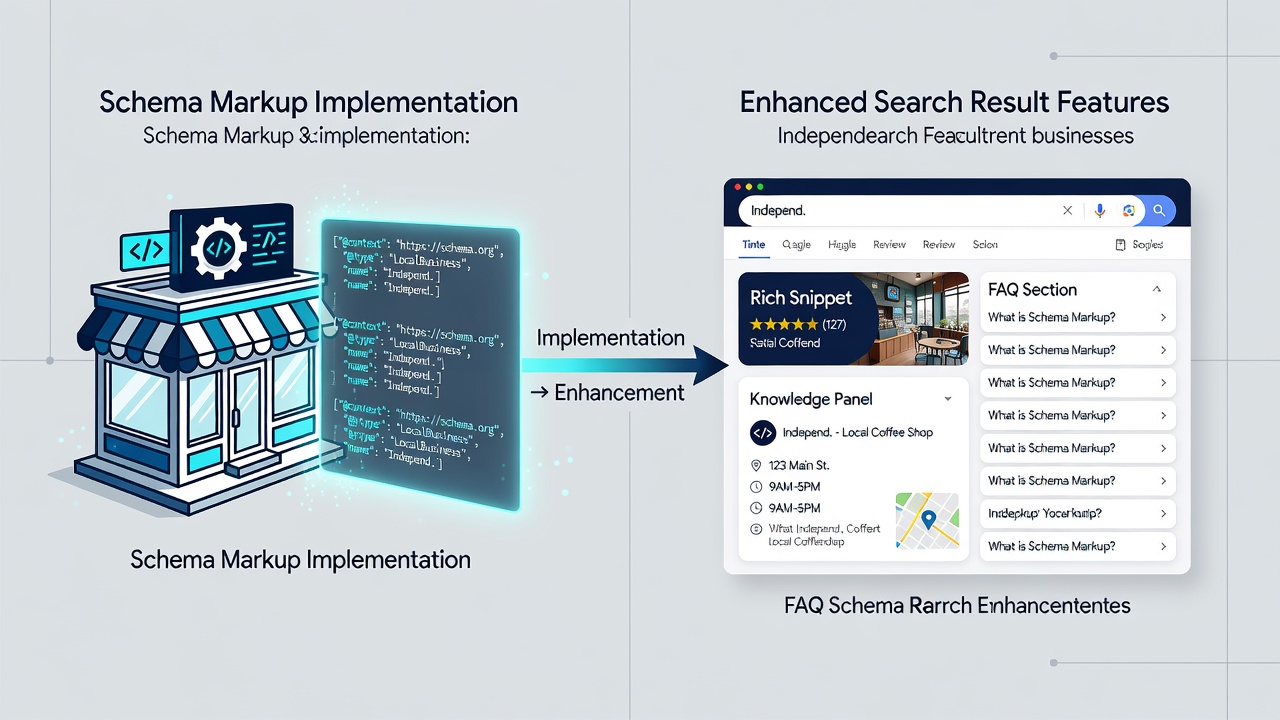
Schema markup provides a structured data framework that search engines use to interpret page content with greater precision, and independent content sites have adopted it to unlock features such as rich snippets, knowledge panels, and enhanced carousels. Observers note that when site operators add schema vocabulary from schema.org, crawlers receive explicit signals about entities, relationships, and attributes that plain HTML does not convey.
Core Mechanics of Schema Implementation
Independent publishers embed schema through JSON-LD scripts, microdata attributes, or RDFa annotations, and search engines parse these additions to generate additional result elements. Data from multiple crawls shows that pages carrying valid Article, FAQPage, or HowTo markup frequently appear with star ratings, question-answer blocks, or video thumbnails directly in results pages. Those signals reduce ambiguity for algorithms while increasing the surface area available for user interaction without requiring changes to core page text.
Researchers have tracked adoption rates across standalone domains and found that sites adding schema in the past three years display higher rates of eligibility for rich result types. The process begins with identification of primary content types, followed by mapping those types to appropriate schema classes, and concludes with validation through testing tools that confirm syntax and required properties.
Enhanced Search Features Triggered by Schema
Rich results represent the most visible outcome of schema deployment, yet additional features also emerge. Knowledge panels can surface when Organization or Person markup aligns with entity databases, while sitelinks and breadcrumb trails appear when WebSite and BreadcrumbList schemas supply hierarchical context. Independent sites that maintain consistent markup across article series often see these elements persist through algorithm refreshes because the structured data supplies ongoing verification of topical authority.
VideoObject and ImageObject markup further enable thumbnail carousels and playable previews in mobile results. Figures from search engine documentation indicate that pages supplying complete duration, transcript, and upload date properties receive eligibility for these visual treatments more consistently than pages lacking them.
Implementation Patterns Among Standalone Sites
Many independent operators begin with basic Article schema that includes headline, author, and datePublished properties before expanding into specialized types such as Review or Recipe. This incremental approach allows teams to measure impact through search console performance reports that segment impressions by rich result type. Sites that layer multiple compatible schemas on the same page, such as combining NewsArticle with Speakable, create opportunities for both visual and voice-search enhancements simultaneously.
Validation remains a recurring task because schema specifications evolve. Tools provided by major search platforms flag missing required properties and deprecated terms, prompting updates that keep markup current. Operators who schedule quarterly audits report fewer eligibility drops during broad core updates.
Data Patterns Observed in 2026
Performance metrics collected through October 2026 continue to show correlation between schema completeness and appearance of enhanced result features across independent domains. Crawl logs reveal that pages refreshed with updated FAQPage markup after the June 2026 specification changes regained eligibility for expandable question blocks within weeks. Those same logs also indicate that sites using inconsistent or outdated property names experienced longer recovery periods before rich results reappeared.
Cross-regional studies, including work referenced by the Australian Competition and Consumer Commission on digital platform transparency, have examined how structured data contributes to clearer content labeling for users. Parallel examinations from Canadian research institutions have tracked similar patterns in how schema affects discoverability for smaller publishers operating outside large content networks.
Practical Steps for Content Publishers
Site owners start by auditing existing pages with structured data testing utilities, then prioritize high-traffic templates for markup addition. They select JSON-LD for easier maintenance because scripts reside in the head section and do not alter visible HTML. Once implemented, they monitor search performance reports for changes in click-through rates and rich result impressions over successive reporting periods.
Common pitfalls include duplicate markup on paginated content and mismatched entity names between schema and on-page text. Correction of these inconsistencies restores eligibility for features such as event listings or product availability badges when applicable to the site focus.
Conclusion
Schema markup functions as a direct communication channel between independent content sites and search engine parsers, and consistent implementation correlates with expanded visibility through rich result features. Operators who maintain accurate, up-to-date structured data continue to record measurable differences in how their pages appear and perform within evolving search interfaces. Ongoing validation and incremental expansion of schema types remain standard practice for sites seeking sustained access to these enhancements.